
MultakaOxford
An online meeting point for global communities
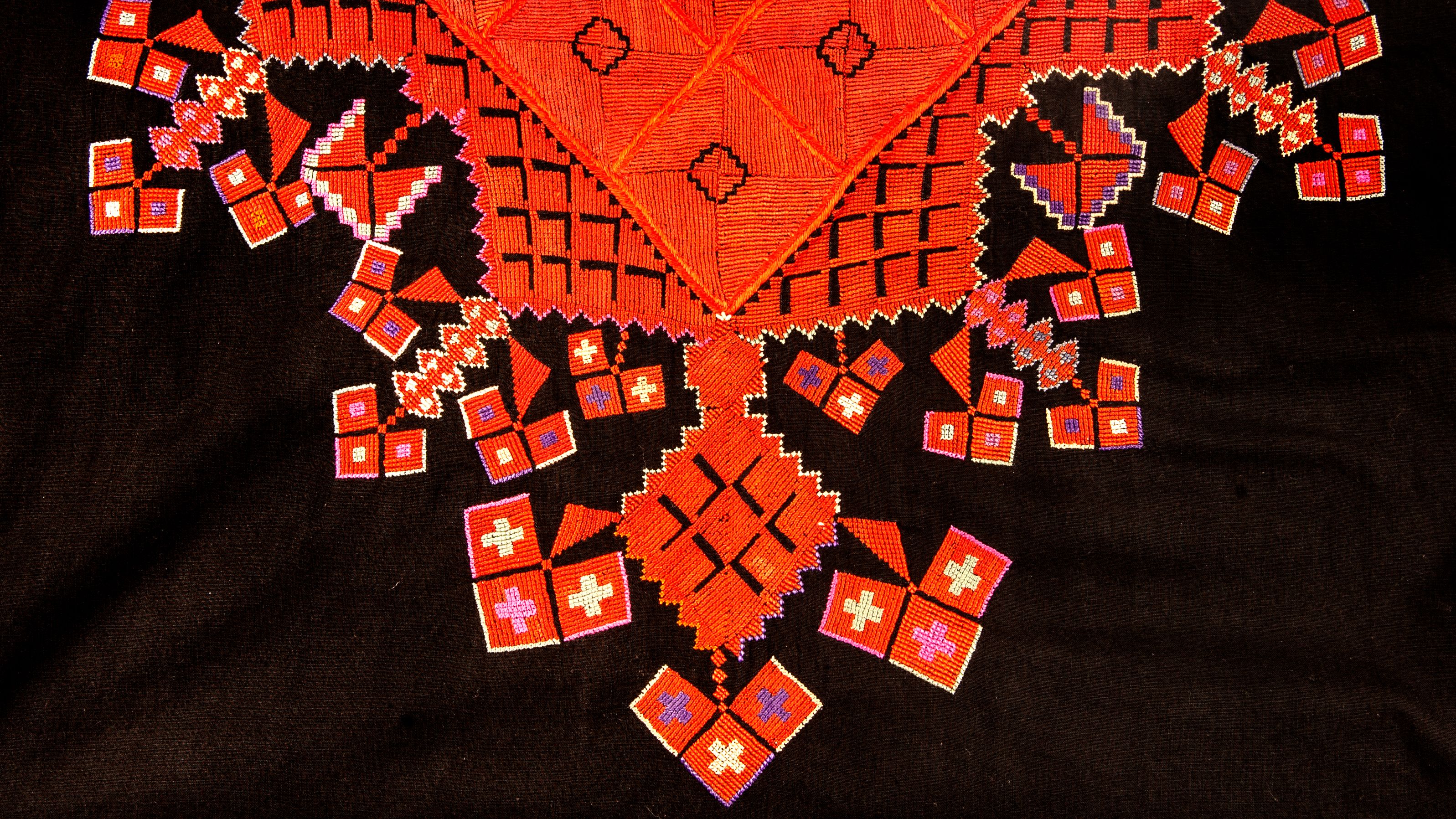

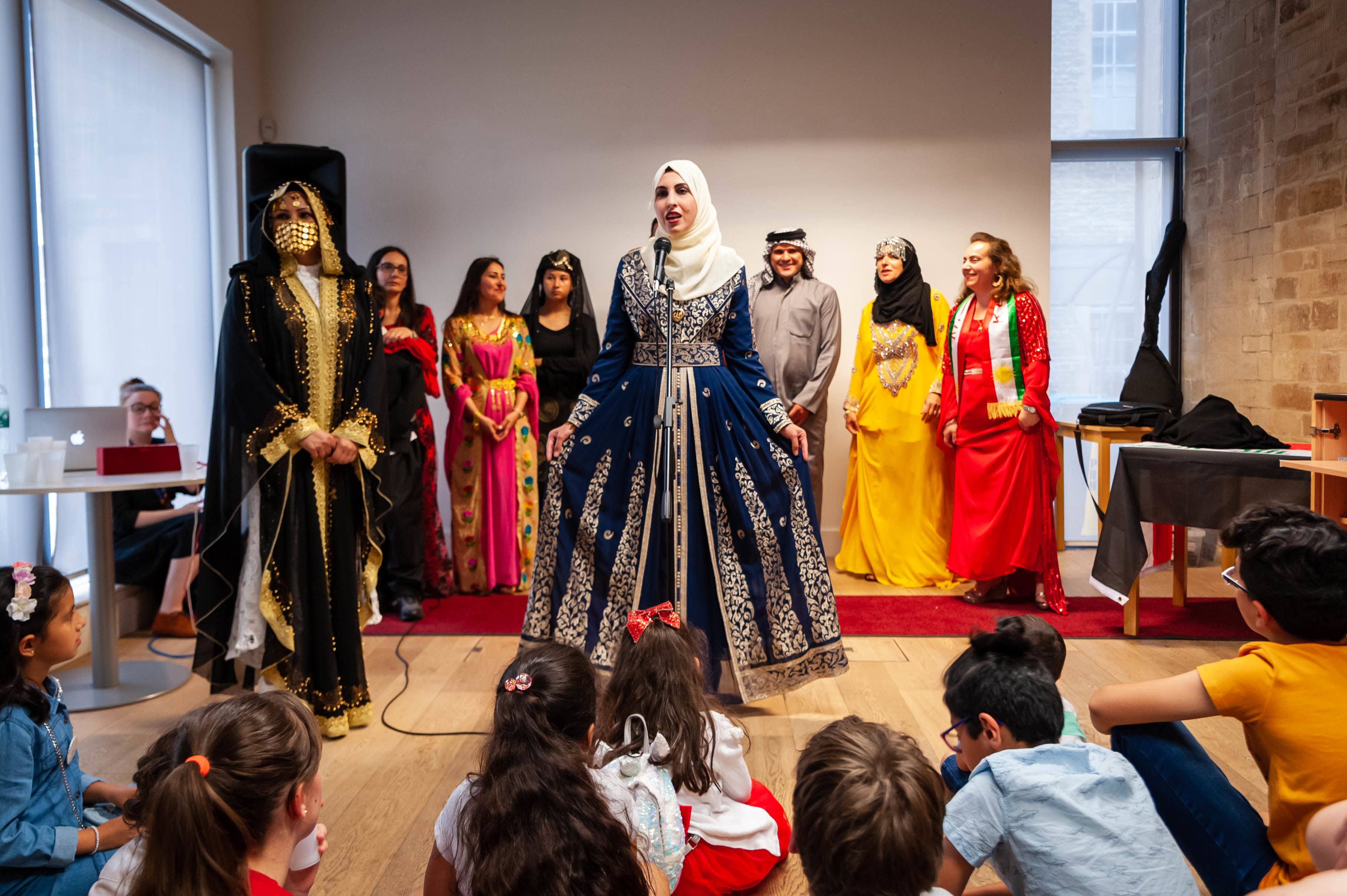
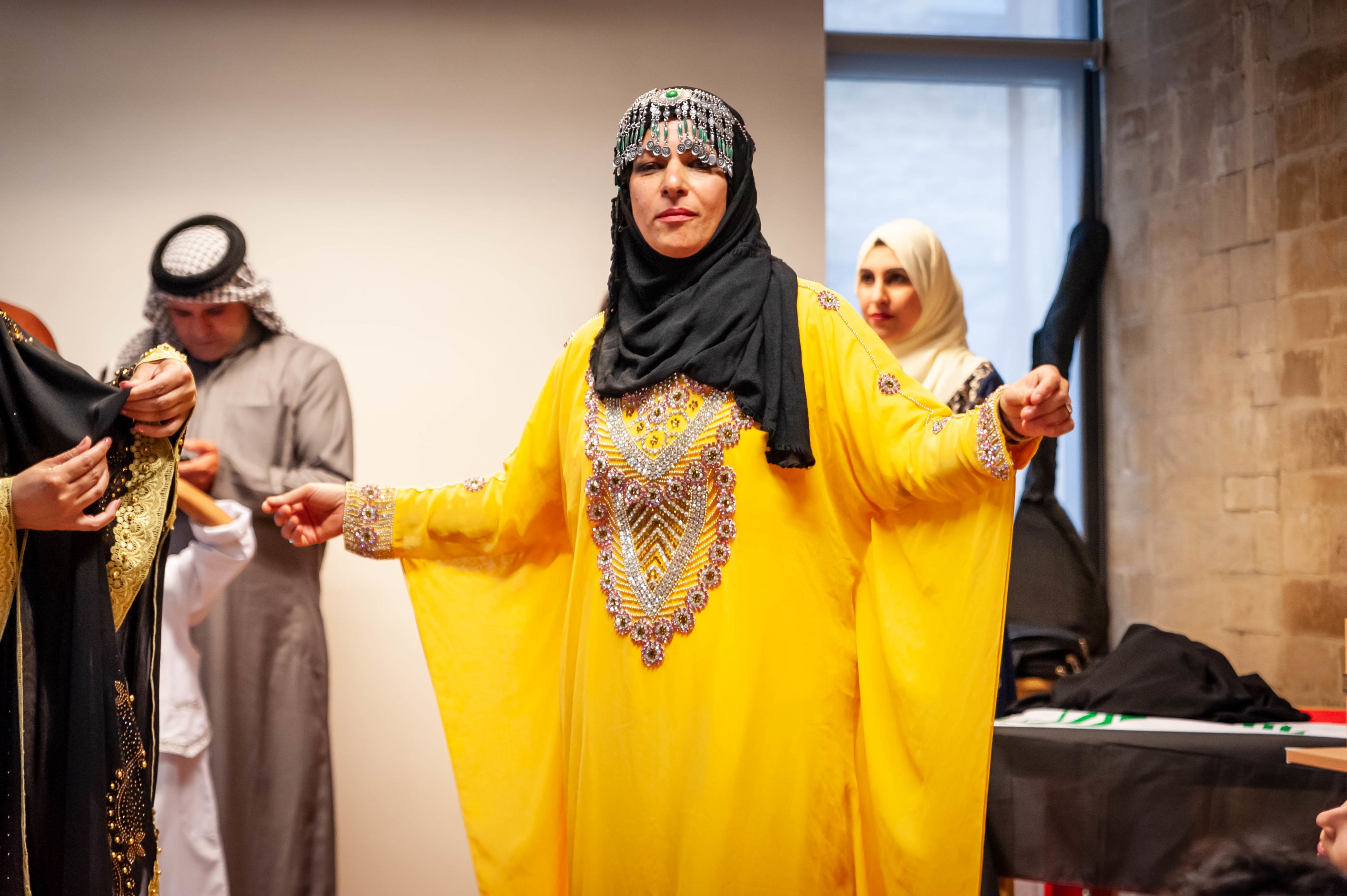
Multaka means ‘meeting point’ in Arabic. MultakaOxford uses museum collections as a meeting point for the mutual sharing of art, stories, culture and science. It is delivered by Oxford’s History of Science Museum and Pitt Rivers Museum, in partnership with organisations that support people who are settling in Oxfordshire as refugees and asylum seekers.




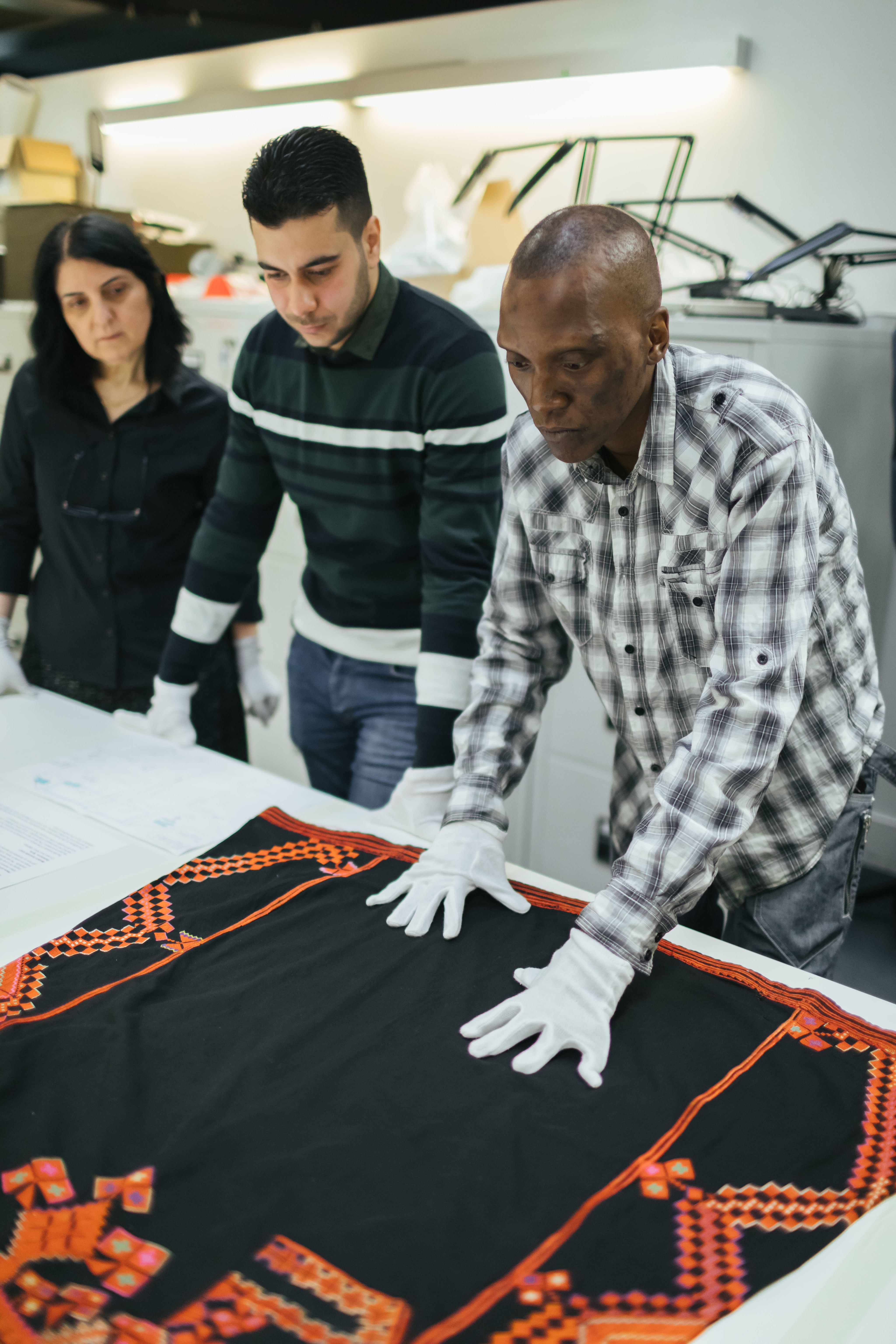
Working with a team of volunteer digital researchers during the pandemic, the MultakaOxford programme was able to develop an online exhibition that incorporated the expertise of Oxfordshire communities, displaying beautiful textiles, silverworks, ceramics and photography collected from the Middle East, North and West Africa between the 1970s and the 1990s.
Weaving Connections reflects the traditions, uses and skills behind each object through commentary from local people, museum curators and collector Jenny Balfour-Paul.

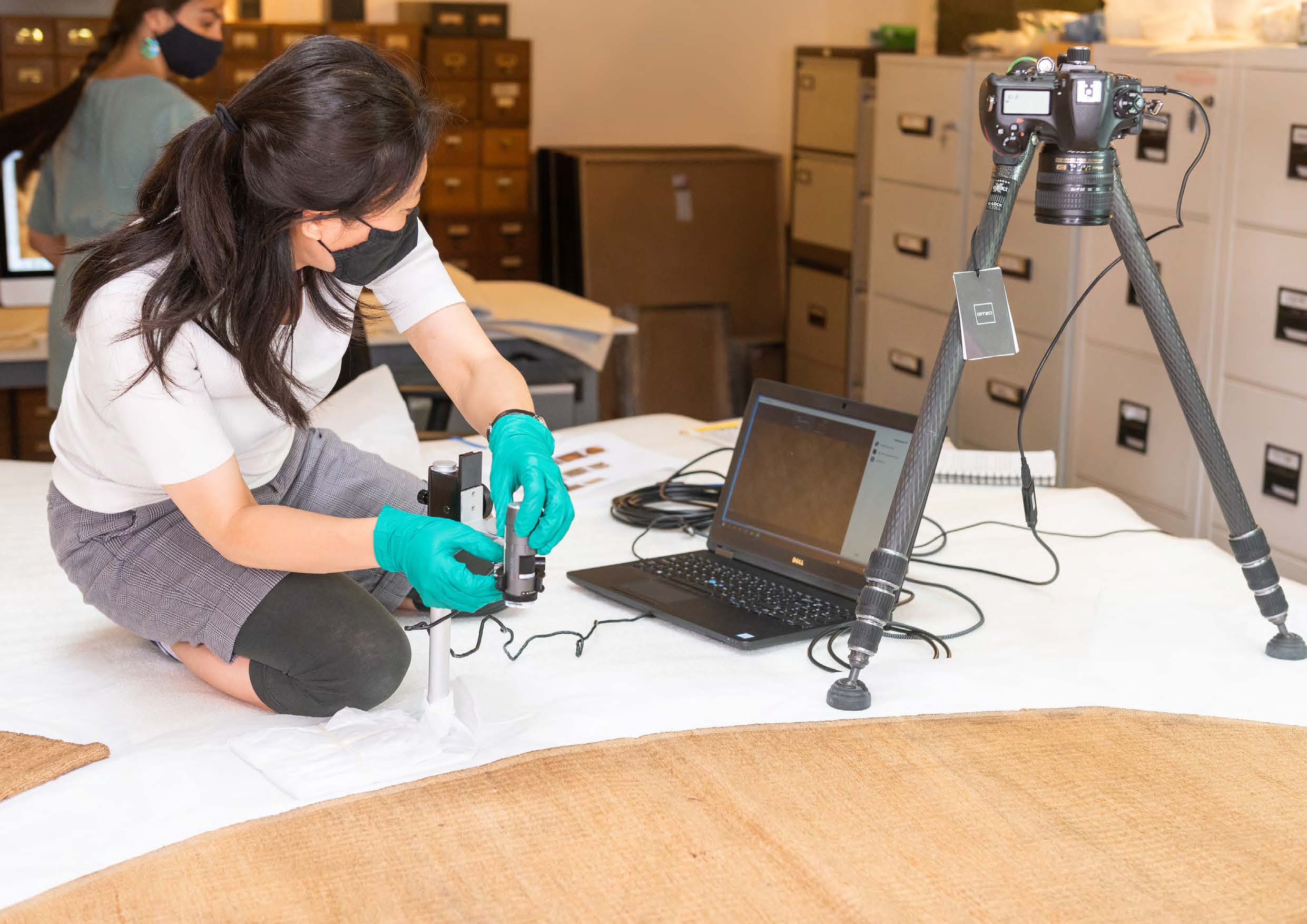
Working with a team of volunteer digital researchers during the pandemic, the MultakaOxford programme was able to develop an online exhibition that incorporated the expertise of Oxfordshire communities, displaying beautiful textiles, silverworks, ceramics and photography collected from the Middle East, North and West Africa between the 1970s and the 1990s.
Weaving Connections reflects the traditions, uses and skills behind each object through commentary from local people, museum curators and collector Jenny Balfour-Paul.
Museums conserve and serve human heritage, I am giving my story as part of this human, contemporary heritage, we are becoming part of this heritage but giving it a contemporary view.
Multaka volunteers are recruited via local community organisations. Working with staff at the museums, they share and develop new skills through delivering events, activities and exhibitions – creating opportunities for intercultural learning and deepening understanding of Islam and culture across the wider community. So far MultakaOxford has supported 60 volunteers, and a new £1m grant from Alwaleed Philanthropies will enable it to work with a further 200 volunteers over the next 5 years.
'[Multaka] opens its arms to refugees and helps to integrate them into the local community through the power of art and culture.'
HRH Princess Lamia bint Majed Saud Al Saud, Secretary General of Alwaleed Philanthropies

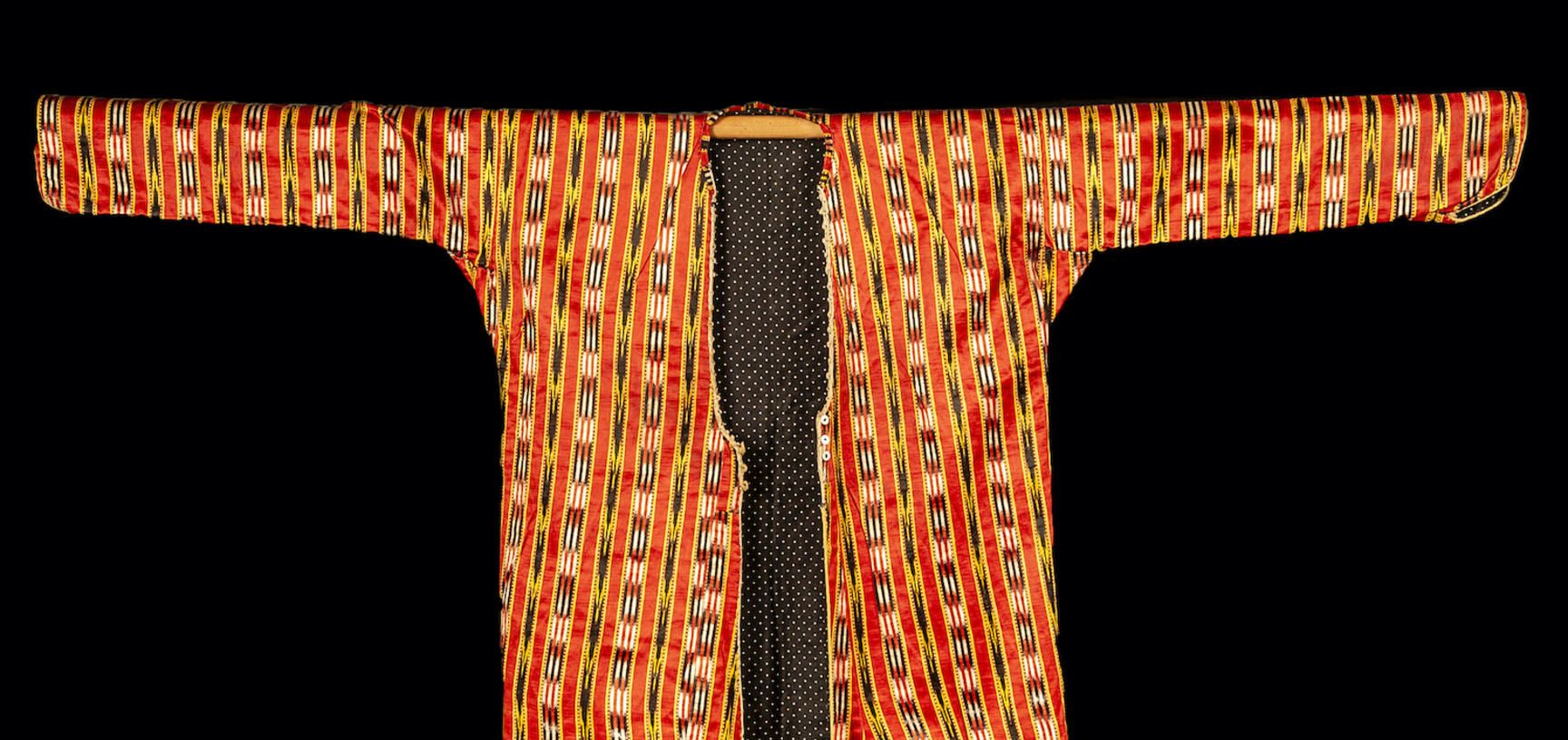
The collection around which the Weaving Connections exhibition is based was donated by Jenny Balfour-Paul to the Pitt Rivers Museum in 2016, the same year that the MultakaOxford programme was initiated. Learnings from this accelerated digitisation have been fed into the next round of MultakaOxford, which is estimated to reach 7 million people in the next 5 years through a mix of guided tours, events, workshops, conferences and online exhibitions. You can read more about the project, its volunteers and the work they are doing across the two museums in an online exhibition they developed as well as on the project’s Tumblr.


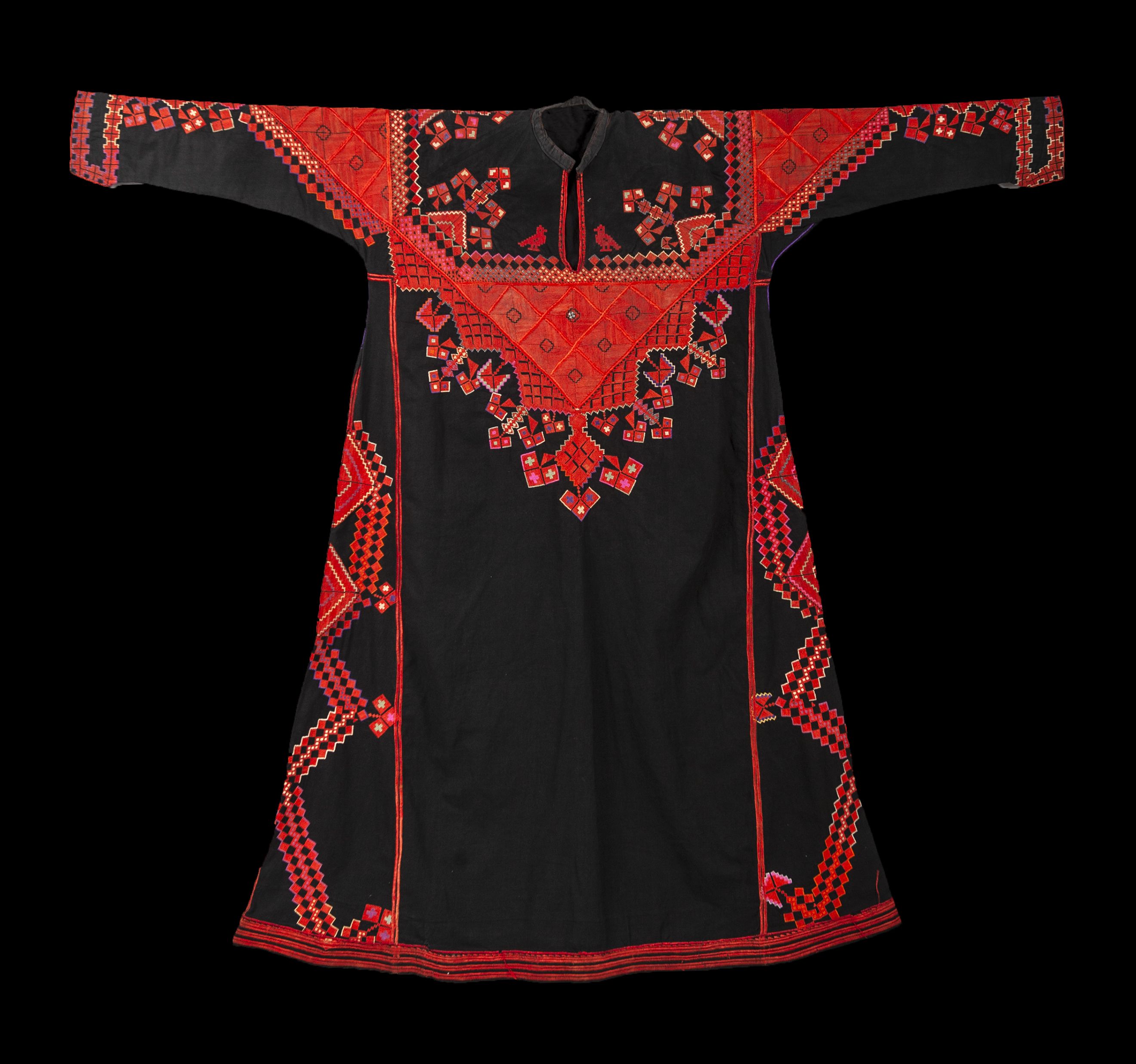
The front of a woman's thob (dress) from Syria.
The front of a woman's thob (dress) from Syria.

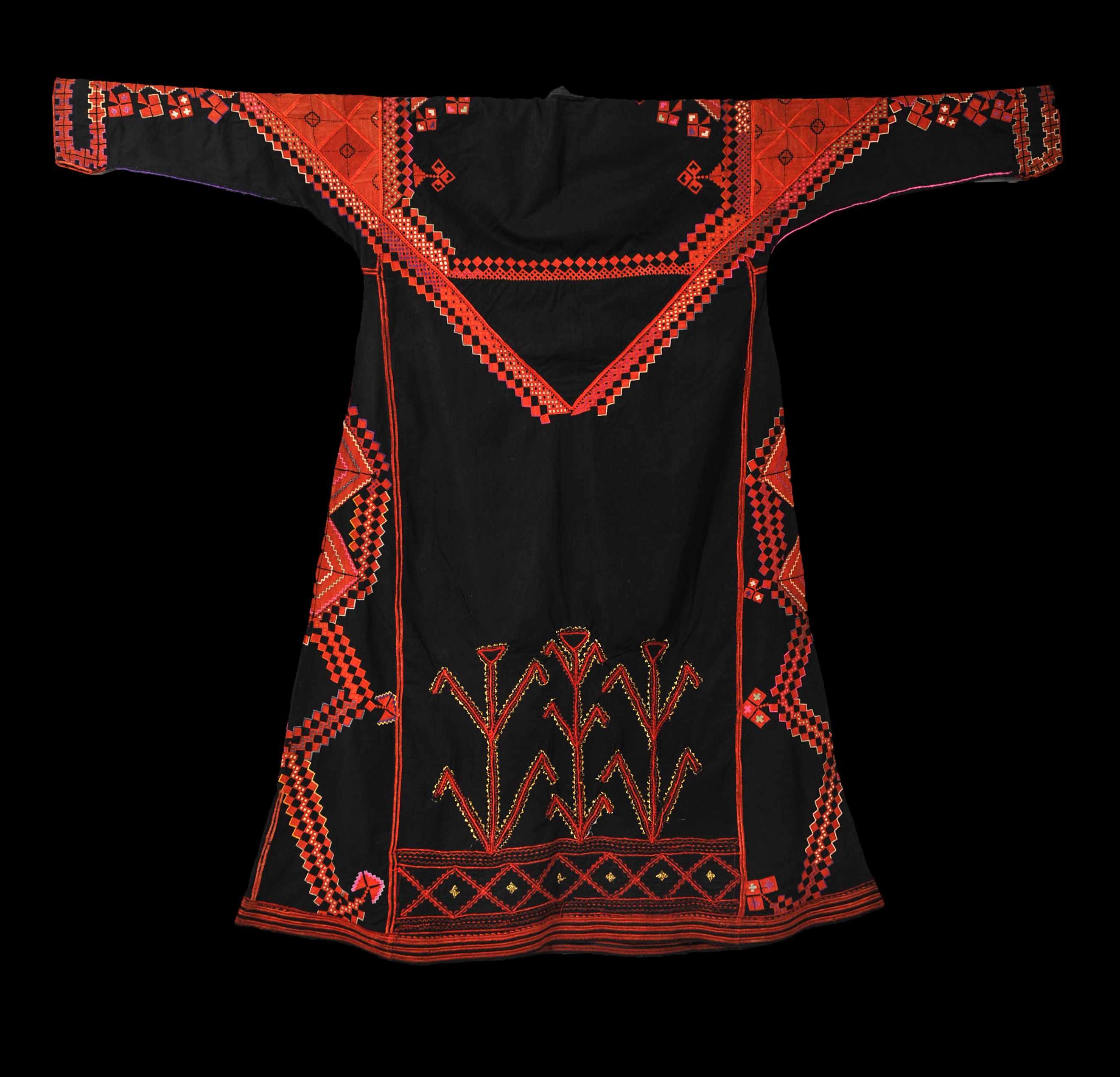
The back of a woman's thob (dress) from Syria.
The back of a woman's thob (dress) from Syria.

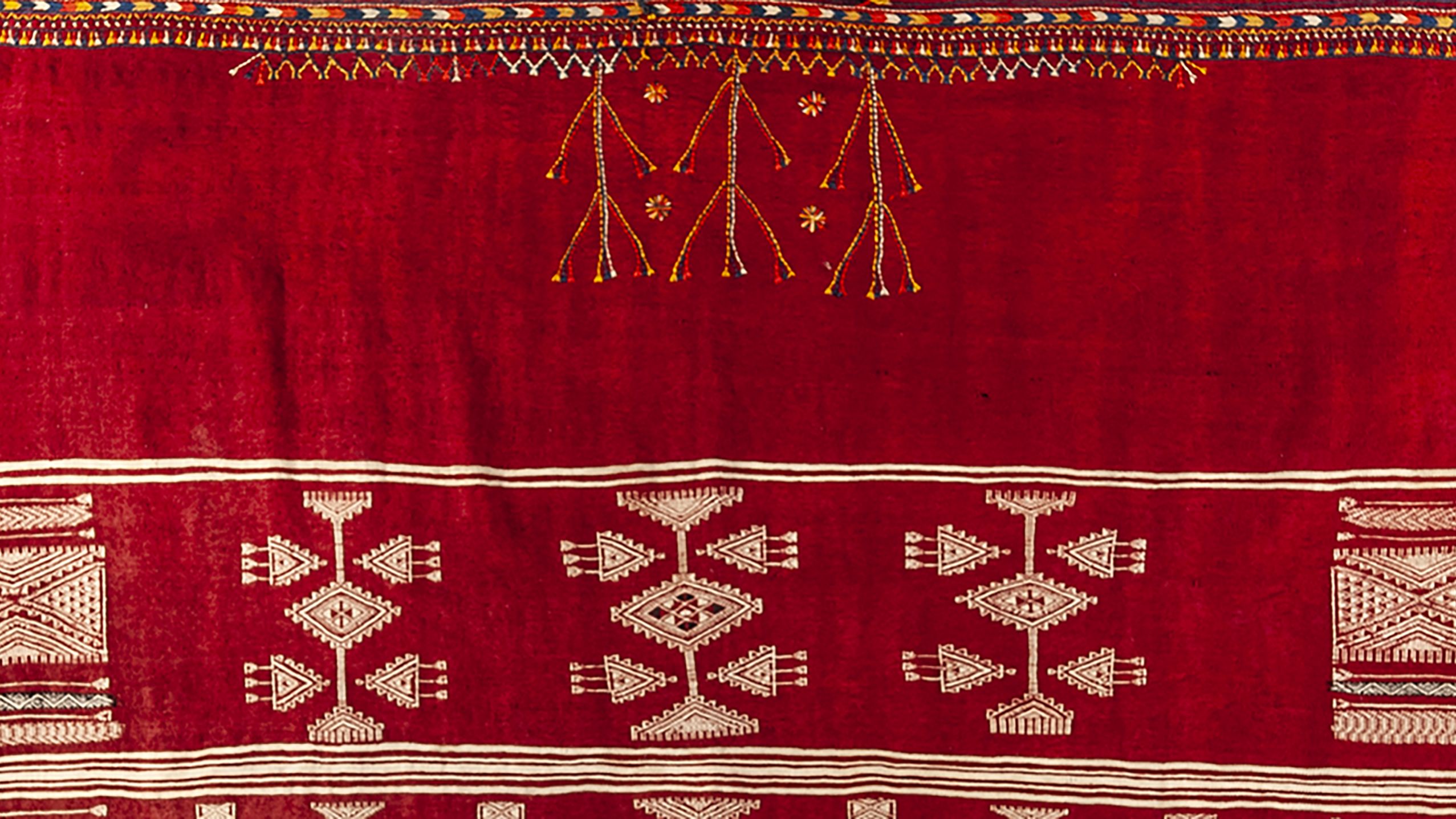


Detail of a shawl from Tunisia.
Detail of a shawl from Tunisia.

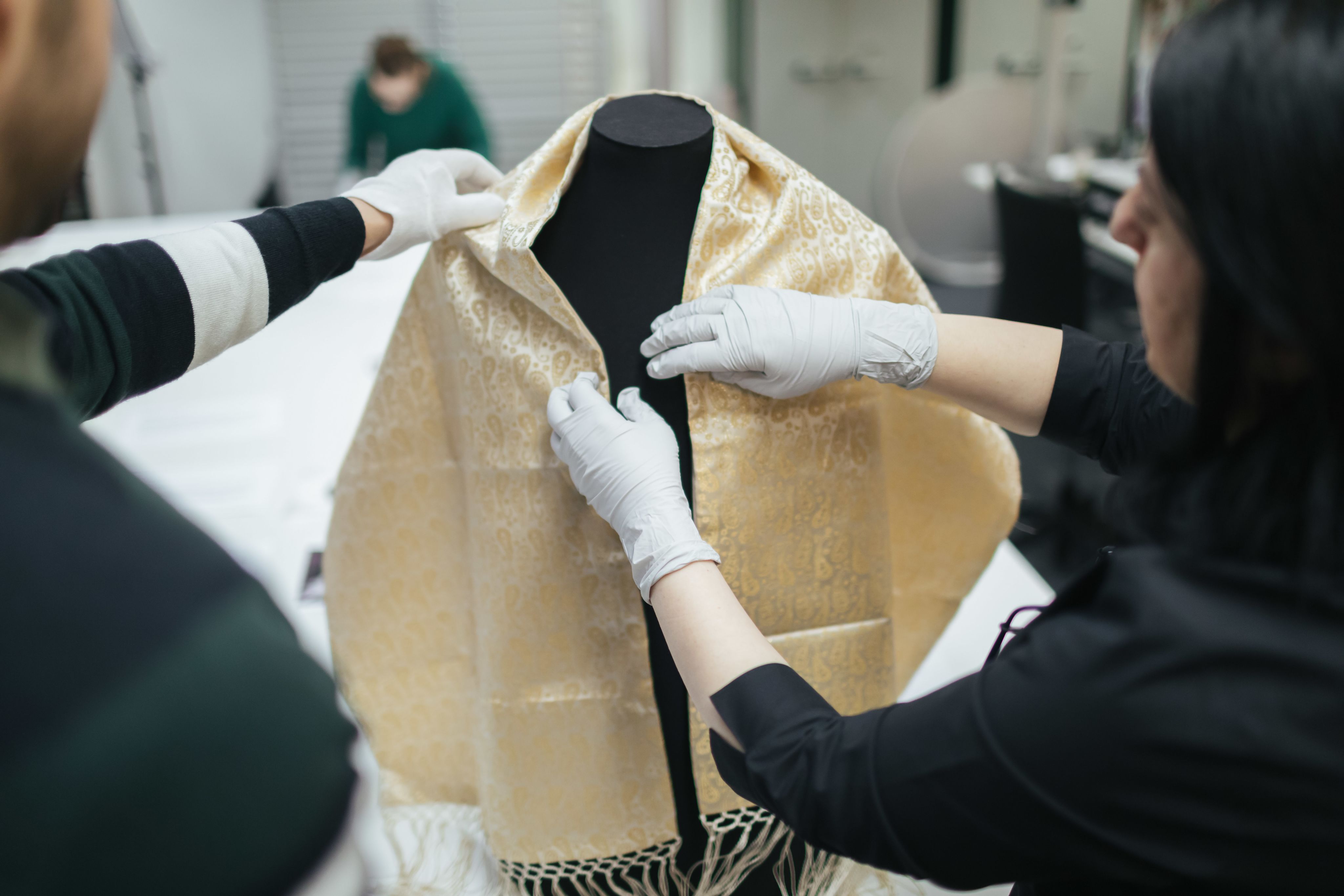
Modern silk brocade scarf with gold thread.
Modern silk brocade scarf with gold thread.


 Built with Shorthand